
Body in Motion: Maintaining Healthy Bones in Menopaus
Fern Carbonell | JUN 7, 2023
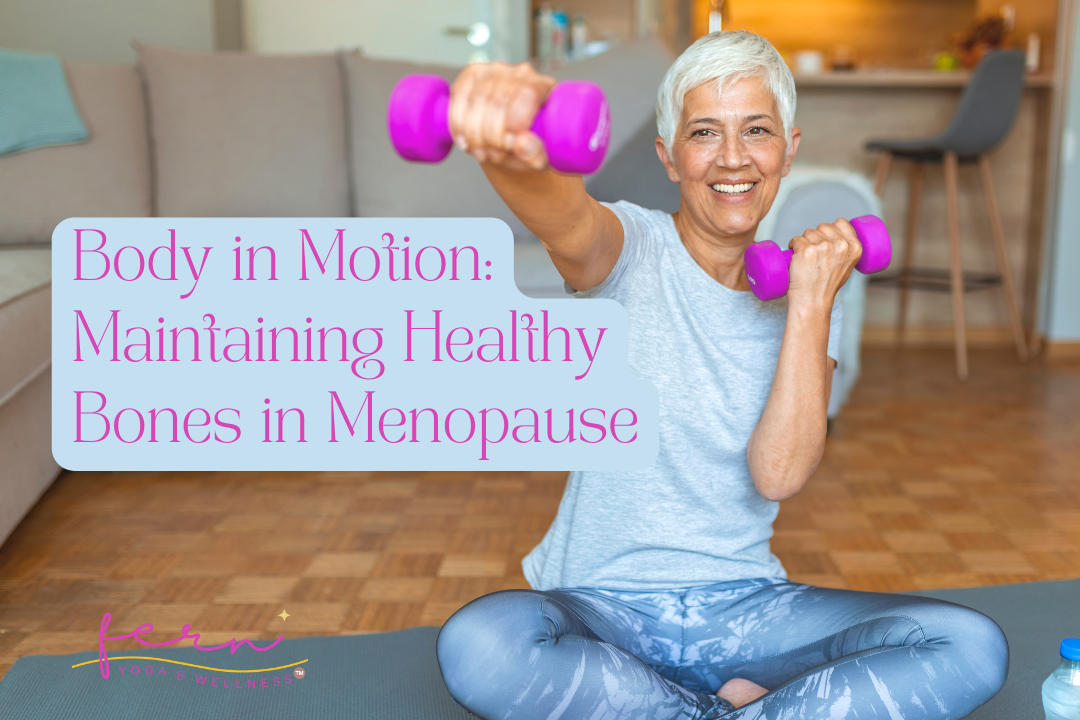
Menopause, a natural phase in a woman's life, brings about various physical and hormonal changes. Among the many concerns that arise during this stage, the health of our bones often takes center stage. The hormonal shifts that occur during menopause can lead to bone loss and an increased risk of osteoporosis. However, there is good news: regular physical activity and movement play a pivotal role in maintaining bone health and minimizing the risk of fractures. In this article, we will explore the importance of movement for bone health after menopause and discuss the specific benefits of exercise.
The Link Between Menopause and Bone Health
During menopause, the ovaries produce less estrogen, a hormone that helps protect bone health. As estrogen levels decline, bone resorption (the breakdown of old bone tissue) surpasses bone formation, resulting in a net loss of bone density. This accelerated bone loss can lead to osteoporosis, a condition characterized by fragile and brittle bones, increasing the risk of fractures.
How Movement Supports Bone Health
Engaging in regular physical activity and movement is crucial for preserving bone health and mitigating the risk of osteoporosis. Here's why:
- Enhances Bone Density: Weight-bearing exercises and resistance training stimulate bone formation and help maintain bone density. Activities such as walking, jogging, dancing, and strength training can exert stress on the bones, triggering them to become stronger and denser over time.
- Strengthens Muscles and Supports Joints: Exercise not only benefits bone health but also strengthens the muscles around the bones. Strong muscles provide additional support to the skeletal system, reducing the risk of falls and fractures. Furthermore, exercises that improve joint flexibility and range of motion help protect against injuries caused by sudden movements or accidents.
- Promotes Hormonal Balance: Regular physical activity can help regulate hormones, including estrogen. Exercise contributes to the production of endorphins, which promote a sense of well-being, reduce stress, and improve sleep quality. Adequate sleep and reduced stress levels indirectly support hormonal balance, contributing to overall bone health.
- Improves Balance and Coordination: Falls are a significant concern for postmenopausal women due to decreased bone density. Participating in activities that improve balance, such as yoga, tai chi, and Pilates, can enhance stability and reduce the likelihood of falls. These low-impact exercises also help maintain bone health without excessive stress on the joints.
- Boosts Overall Health: Regular movement and exercise offer numerous benefits for cardiovascular health, weight management, and mental well-being. A healthy body weight and cardiovascular fitness contribute to improved bone health and reduce the risk of osteoporosis.
Incorporating Movement Into Your Routine
To reap the maximum benefits for your bones, it is important to incorporate a variety of physical activities into your routine. Here are some suggestions:
- Weight-Bearing Exercises: Engage in weight-bearing activities that involve impact or resistance on your bones, such as walking, hiking, dancing, or yoga.
- Strength Training: Incorporate resistance exercises using weights, resistance bands, or weight machines. Focus on exercises targeting major muscle groups, including the legs, hips, spine, and upper body.
- Flexibility and Balance Exercises: Include activities like yoga, tai chi, and Pilates to improve balance, flexibility, and posture. These exercises enhance stability and reduce the risk of falls.
Menopause brings about hormonal changes that can negatively impact bone health. However, the importance of movement and exercise in maintaining bone density and reducing the risk of fractures cannot be overstated. Regular physical activity not only strengthens the muscles and improves balance, but it also directly stimulates bone remodeling and helps preserve bone mineral density. The combination of weight-bearing exercises, resistance training, and activities that promote flexibility and coordination creates a comprehensive approach to bone health, ultimately leading to a higher quality of life and independence as we age.
During anatomy class, I began to grasp the important relationship between movement and bone/joint health when introduced to synovial fluid. One of the functions of synovial fluid is to lubricate the joint, just like you might put a little oil in a mechanical joint in a machine, to help everything slide and reduce friction. Below, I’ve included some information about synovial fluid and hope it gives you a better understanding of why moving your body throughout the day is so important.
Role of Synovial Fluid
Synovial fluid and movement share an essential and interconnected relationship within our joints. Synovial fluid is a viscous, gel-like substance that lubricates and nourishes the joints, enabling smooth and pain-free movement.
To optimize the benefits of synovial fluid for joint health, it is crucial to engage in regular physical activity and movement. Activities such as walking, swimming, cycling, and yoga promote joint mobility and circulation of synovial fluid. It's important to note that finding the right balance is key—overuse or excessive impact on the joints can lead to joint stress and injury.
Let's delve into the importance of synovial fluid and its relationship with movement:
- Lubrication: Synovial fluid acts as a lubricant within the joint space. It reduces friction between the cartilage surfaces of the bones, allowing them to glide smoothly against each other during movement. This lubrication minimizes wear and tear on the joint surfaces, preventing joint degeneration and the development of conditions like osteoarthritis.
- Shock Absorption: Synovial fluid helps absorb and distribute the forces that occur during movement. It acts as a cushion, protecting the joints from excessive impact and reducing the risk of joint damage. This shock-absorbing property is particularly crucial in weight-bearing joints such as the knees, hips, and ankles.
- Nutrient Supply: Synovial fluid delivers essential nutrients, oxygen, and antibodies to the joint structures, including cartilage, ligaments, and tendons. Movement helps circulate the synovial fluid, ensuring a fresh supply of nutrients and oxygen to these structures. Adequate nutrient supply is vital for maintaining the health and integrity of the joint tissues.
- Waste Removal: In addition to delivering nutrients, synovial fluid also facilitates the removal of metabolic waste products from the joint space. The movement of the joint helps flush out waste materials, preventing their accumulation, which could lead to inflammation and joint dysfunction.
- Joint Mobility and Range of Motion: Regular movement and physical activity are essential for maintaining joint mobility and preserving a healthy range of motion. When we move our joints through their full range, synovial fluid is distributed evenly across the joint surfaces, promoting joint health and preventing stiffness.
- Healing and Recovery: Movement plays a vital role in joint healing and recovery from injuries. Gentle movement and exercise stimulate the production of synovial fluid, aiding in the healing process of damaged joint structures. Additionally, movement helps maintain the proper balance of synovial fluid production and absorption, preventing excessive fluid accumulation or stiffness.
Synovial fluid and movement are interdependent when it comes to joint health. The lubrication, shock absorption, nutrient supply, waste removal, joint mobility, and healing properties of synovial fluid are enhanced by regular movement and physical activity. By staying active, we support the health and functionality of our joints, promoting overall well-being and reducing the risk of joint-related conditions.
By staying active, we support the health and functionality of our joints, promoting overall well-being and reducing the risk of joint-related conditions, while also maintaining the optimal viscosity and distribution of synovial fluid within our joints.
Fern Carbonell | JUN 7, 2023
Share this blog post

 OfferingTree