
Breathe
Fern Carbonell | AUG 15, 2021
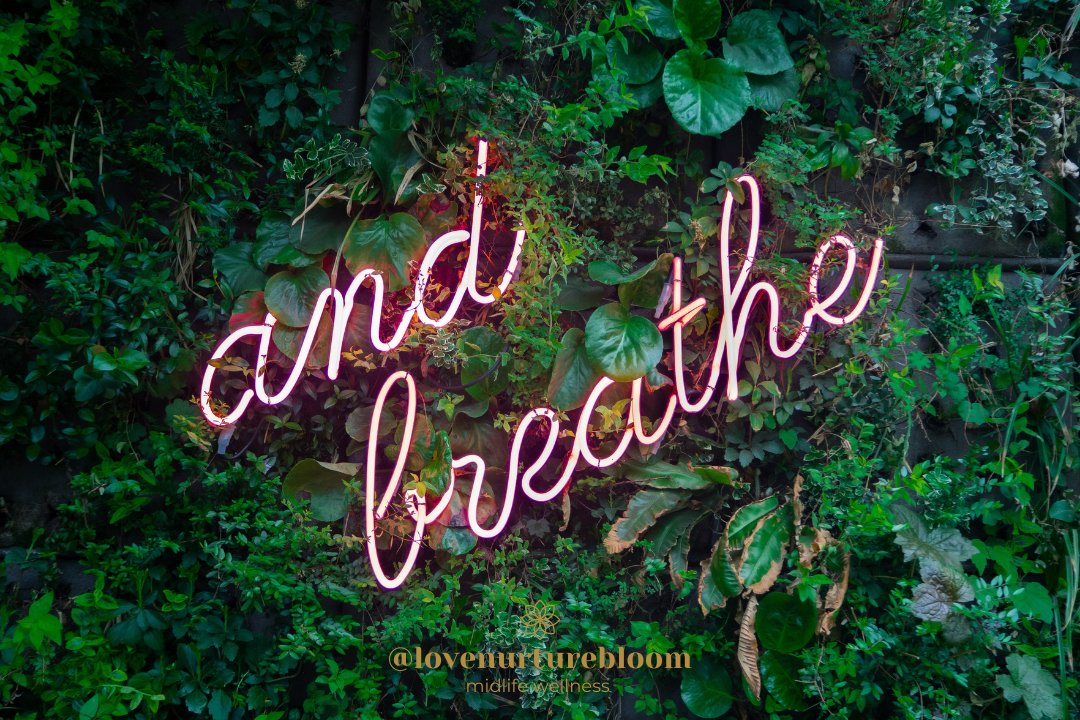
We breathe all day long without ever thinking about it. Usually, this type of breathing is shallow and relatively fast-paced, especially when we’re stressed. Have you ever caught yourself holding your breath during a stressful situation?
When something causes us stress, our body reacts by increasing the heart rate, tensing up muscles, and increasing blood pressure. This state is also known as “fight or flight.” While this response is critical in dangerous situations, it can wreak havoc on the body and mind when it never shuts off. When you’re stuck in traffic, you miss an important deadline, or are generally feeling anxious, your body remains in a state of stress.
What can be done about it?
Pay attention to your breath.
Shallow breathing—the kind that naturally occurs when we’re stressed—limits the diaphragm’s range of motion and doesn’t allow the lungs to get their full share of oxygenated air, thus making you feel short of breath and more anxious.
Deep abdominal breathing encourages full oxygen exchange, which allows your lungs to get what they need and subsequently slow the heartbeat and lower or stabilize blood pressure.
Abdominal breathing occurs when you breathe in a way that your stomach rises and falls while your chest remains still with every breath.
Take a moment to look down and see how you’re breathing right now.
Here are some breathing exercises to try next time you experience a stressful moment.
When you’re feeling overwhelmed: 4-7-8 breath
This type of breathing slows down and calms the body. Use when you’re feeling overwhelmed, anxious, angry, triggered, or having trouble sleeping.
- To perform, start by emptying the lungs of air, then breathe in through your nose for 4 seconds. Hold your breath for 7 seconds, then exhale for 8 seconds. Repeat at least 4 times.
When you need an energy boost: Box breathing
Also called the 4-4-4-4 breathing, or Square breathing, this technique was developed for Navy SEALS and can help heighten performance while providing stress relief. Use it in the morning to wake up, in the middle of the day, or before any activity that requires your attention.
- To perform, release the air in your chest and hold your breath for 4 seconds. Breathe out the nose for 4 seconds, hold your breath for 4 seconds, then exhale for 4 seconds. Repeat this cycle for five minutes to feel the full effects.
When you need to anchor yourself: 4-5-6
This technique will help anchor yourself to your breath and help diminish chaotic chatter in your mind.
- To perform, take a deep inhale for a count of 4. Hold your breath for a count of 5. Breathe out the nose for a count of 6. Repeat for a 3 or until you feel calmer.
Other types of breathing
- Take a longer inhale can be invigorating while a longer exhale can be calming.
- Breathe in and out evenly can help focus your mind.
- Link your breath with words or a mantra. A common Sanskrit mantra tied to your breath is So Hum (I am). Breathe in So, exhale Hum. Do this slowly and deeply which can put you in a very calm state. You can also inhale a positive feeling and exhale a stressful feeling. Like this: Inhale peace, exhale tension.
Your breath is a tool you can use anytime, anywhere. Experiment with these techniques and find one that works best for you or for a specific situation.
Try a breathing exercise to help ease into your day.
“Breath is the bridge which connects life to consciousness, which unites our body to our thoughts. Whenever your mind becomes scattered, use your breath as the means to take hold of your mind again.”
— Thich Nhat Hanh
Fern Carbonell | AUG 15, 2021
Share this blog post

 OfferingTree