
Creating Your Yoga Space: What You Really Need to Get Started
Fern Carbonell | SEP 29, 2024
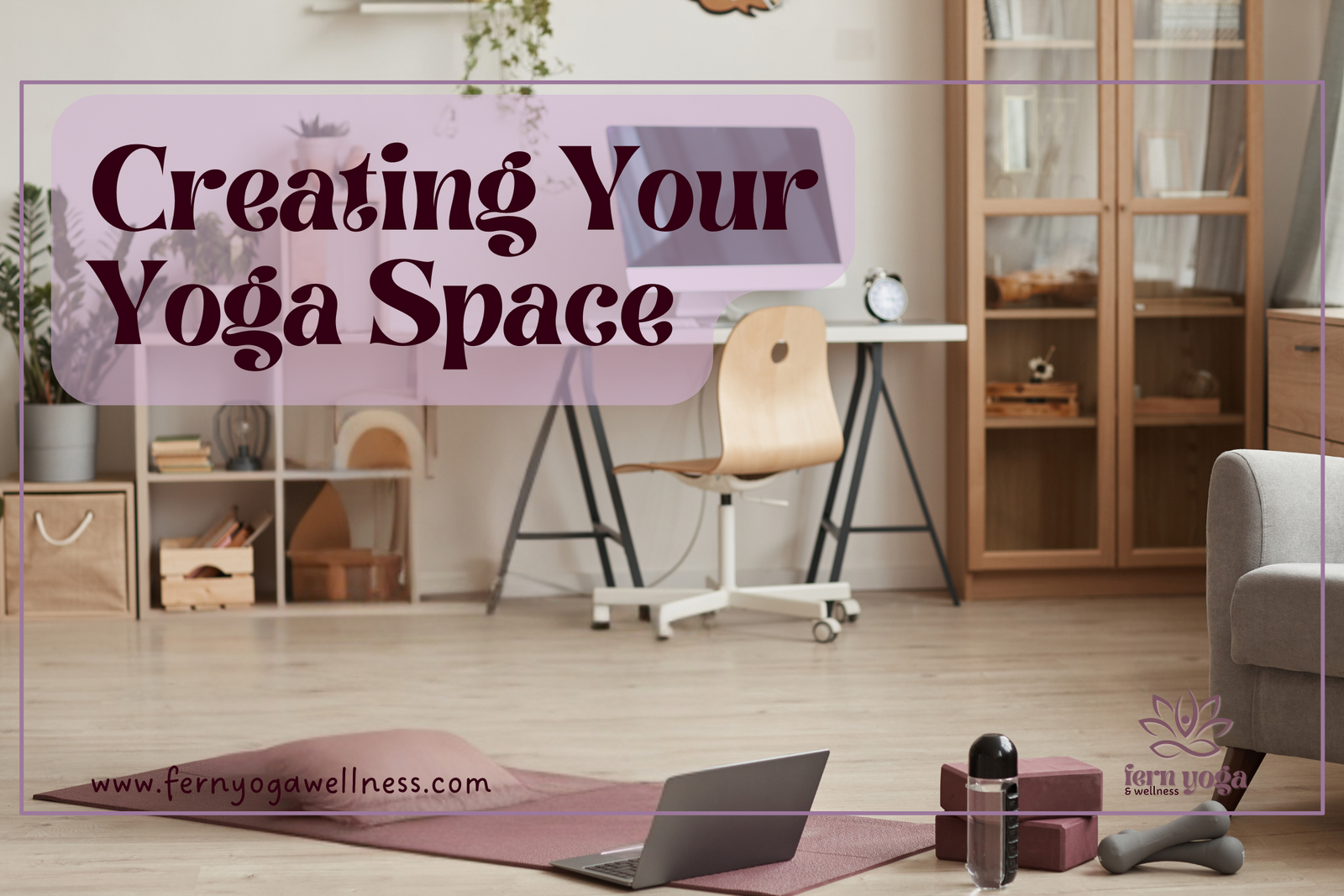
Setting up a yoga space at home can be a real game-changer for your practice. It’s like having a cozy corner that invites you in, says, "Hey, it's time to breathe and stretch." Whether you have a whole room or just a nook in your living room, it doesn't need to be fancy—it just needs to feel like your space.
Start Simple: The Basics
First things first: you don’t need a lot of expensive gear. Yoga is really about connecting with yourself, not your props. But, having a few essentials can help. Here’s what I’d suggest:
- Yoga Mat
A good yoga mat is non-negotiable. It provides a stable base and cushioning for your joints. You don’t need the priciest mat, just something that grips the floor and feels good under your hands and feet. - Blocks
These are a godsend for any level of practitioner. They help bring the floor up to you when you’re working on flexibility or balance, and they’re perfect for supporting restorative poses. Foam ones are light and easy to move around, but cork blocks give you more stability. - Strap
A yoga strap is like an extra pair of hands. It helps you stretch deeper without straining and can be a lifesaver if you’re working on improving your flexibility. You can always substitute a belt or scarf if you’re just getting started. - Blanket
A soft blanket is perfect for padding your knees or hips in certain poses, and it’s so comforting during savasana or meditation. Roll it up for support or drape it over yourself for warmth—simple, but versatile. - Bolster
If you’re into restorative or yin yoga, a bolster will be your best friend. It supports the body in passive poses, letting you sink deeper into relaxation. If you don’t have one, a couple of firm pillows will do the trick.
Creating the Space
Now that you’ve got your props, where should you set up? Here are a few tips for carving out your personal yoga sanctuary:
- Choose a quiet corner.
You don’t need a whole room, just a spot that feels peaceful. Maybe it’s by a window where natural light comes in, or a cozy corner that’s tucked away from the hustle and bustle of the house. - Keep it clutter-free.
A clear space helps clear the mind. You don’t want to be dodging laundry piles or bumping into furniture. Keep it minimal—a mat, your props, and maybe a small table for candles, a plant, or anything else that makes the space feel calming. - Make it your own.
Add little touches that inspire you. Maybe it’s a calming scent from a candle or essential oils, a piece of art, or a plant to bring in some nature. Whatever brings you a sense of peace and connection. - Lighting matters.
Soft, natural light is wonderful for daytime practice, but if you’re rolling out your mat in the evening, consider a warm lamp or some string lights to create a gentle ambiance.
Keep it Flexible
Life happens, and some days your yoga space may be your bedroom, while other days it’s the living room or even the backyard. The beauty of yoga is that it can adapt to you. Just keep your mat and props handy, and let go of the idea that everything has to be "perfect" to practice.
The most important part is that your space feels like an invitation to step away from the busyness of life and connect with yourself. You don’t need much—just a bit of intention, a few props, and a little space to call your own.
So, roll out your mat, light a candle if that feels good, and start where you are. Your yoga space, like your practice, will evolve with you over time.
Fern Carbonell | SEP 29, 2024
Share this blog post

 OfferingTree